Total Pageviews

Wednesday, 12 February 2020

Andrew Yang has withdrawn from the 2020 presidential race

Photo by Amelia Holowaty Krales / The Verge

Andrew Yang, the tech savvy Democratic presidential candidate who ran on a platform warning against the threats of artificial intelligence and automation, is dropping out of the race. Yang is doing so on the night of the New Hampshire primary, after earning just 1 percent of the delegates in the Iowa Caucuses last week.

A New York native and the son of Taiwanese immigrants, Yang has a storied career spanning corporate law to startups and venture capital and onward to activist organizations, including the Venture for America nonprofit he founded in 2011 that focused on job creation in Midwest cities in the wake of the 2008 financial crisis.

Continue reading…


from The Verge - All Posts https://ift.tt/39plpe7
via IFTTT

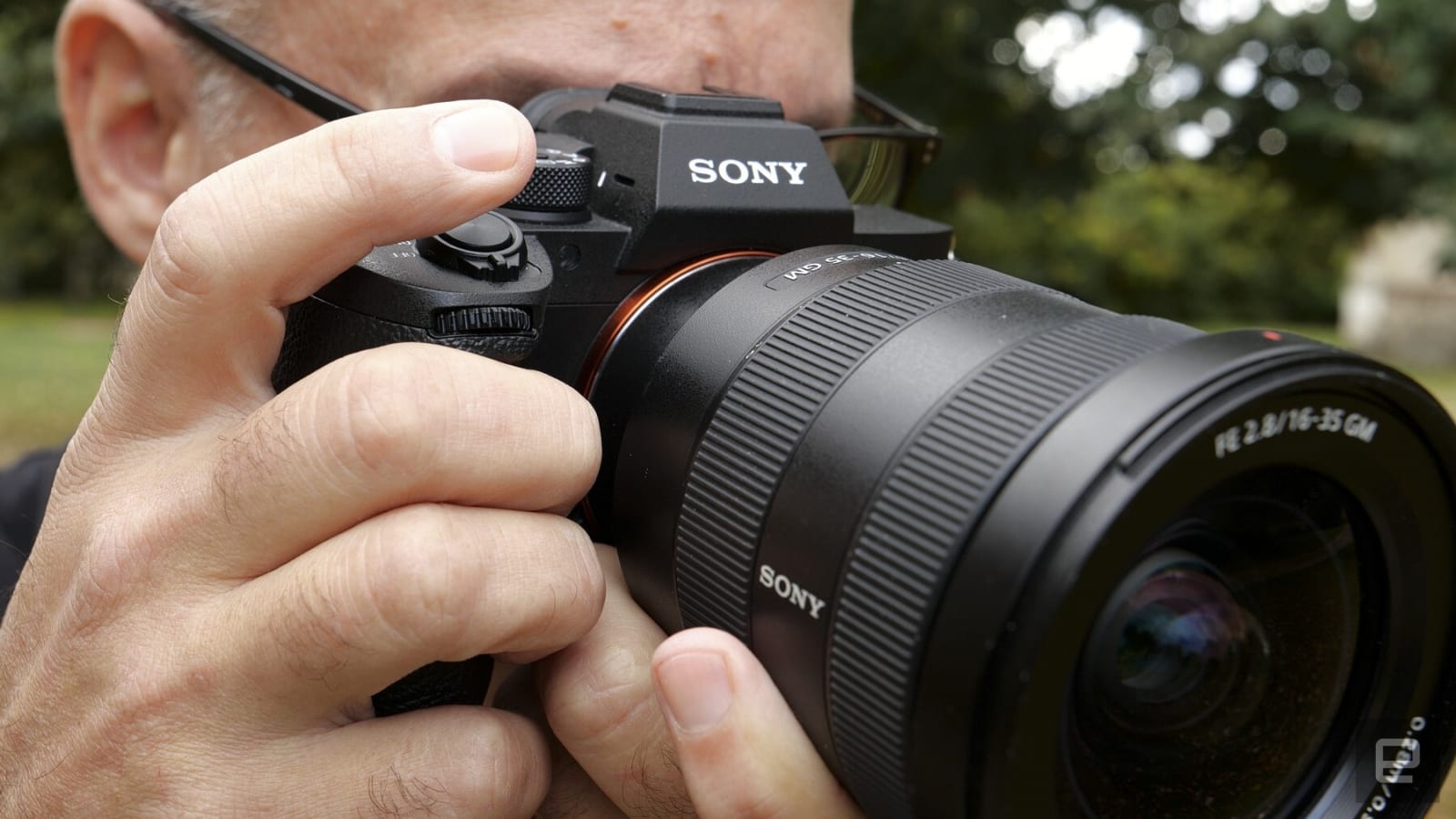
Sony lets anyone create remote controls for its cameras


via Engadget RSS Feed https://ift.tt/3btqkfT

How they compare: Samsung Galaxy S20 vs. iPhone 11 Pro


via Tech https://ift.tt/3bxd9e0

Spaceflight Industries to sell its satellite rideshare launch business to Japan’s Mitsui & Co. and Yamasa

Spaceflight Industries, owner of both Spaceflight, Inc. and BlackSky, is selling the Spaceflight, Inc. portion of its business to Japanese industrial megacorporation Mitsui & Co, and Yamasa both of which will co-own the company in a 50/50 joint venture after its closing. The deal will see Spaceflight continue to operate as an independent business based in the U.S. and headquartered in Seattle, with the same mission of providing rideshare launch services for small satellite payloads.

Meanwhile, Spaceflight Industries will use the funds generated from the sale (the terms of the deal were not disclosed) to re-invest in its BlackSky business. BlackSky is an Earth observation company that deals in geospatial intelligence, and that currently operates four satellites in orbit, with eight more planned to join its constellation sometime later this year.

The deal also means that Mistui & Co, which is one of Japan’s largest businesses and which operates in a variety of sectors including infrastructure, energy production, IT, food, consumer products, mining, chemicals and more, will now be in the rocket launch rideshare business as well. Mitsui also has an aerospace arm that includes a space business which provides satellite development, launch and operation services, but noted in a press release that Spaceflight will become “the cornerstone” of its space strategy pending close of the deal.

Spaceflight, Inc. has been offering its services since 2010, and has launched a total of 271 satellites on 29 separate rocket launches, with 10 missions set to take place in 2020 alone. The company’s business seems poised to grow as more launch providers and more small satellite operators enter the market, with many predictions indicating sharp uptakes in orbit-based businesses to come over the next decade.

This arrangement is perhaps indicative of things to come in the space industry, as more young companies look at their overall business and determine how best to delineate things to continue their growth and return funds on investment to stay on mission. SpaceX, for instance, has confirmed it’s looking at spinning out its Starlink business and taking that public, a move that could generate significant funds for it to then funnel back into its core launch business in pursuit of its goals of making humans multi-planetary.

The deal still has to undergo review by the Committee on Foreign Investment in the United States (CFIUS) because there’s a national security interest involved, given Spaceflight’s past work. This is expected to take multiple months, and the companies say they anticipate the deal will close sometime during Q2 2020 if everything is approved.


via Startups – TechCrunch https://ift.tt/2Hhlbd2

At $1,600, the highest-end Galaxy S20 costs as much as a foldable phone

Photo by Vjeran Pavic / The Verge

Remember when Apple unveiled the $1,000 iPhone and everyone was shocked? Less than three years later, a $1,000 phone is at the low end of Samsung’s Galaxy S20 lineup. It’s possible we’re seeing a new high for what a “normal” phone should cost, leaving plenty of room for the highest-end prices to keep climbing.

The Galaxy S20 prices will range from $999.99 for the basic model, with the Ultra starting at $1,399 and going up to $1,599 for the version with 512GB of storage. That puts the Galaxy S20 Ultra, which measures 6.9 inches, in the same price range as the newest foldable phones, which have drawn criticism for their price tags. Samsung’s new Galaxy Z Flip, which arrives February 14th, is priced at $1,380, while Motorola’s Razr is...

Continue reading…


from The Verge - All Posts https://ift.tt/2uuFhxP
via IFTTT

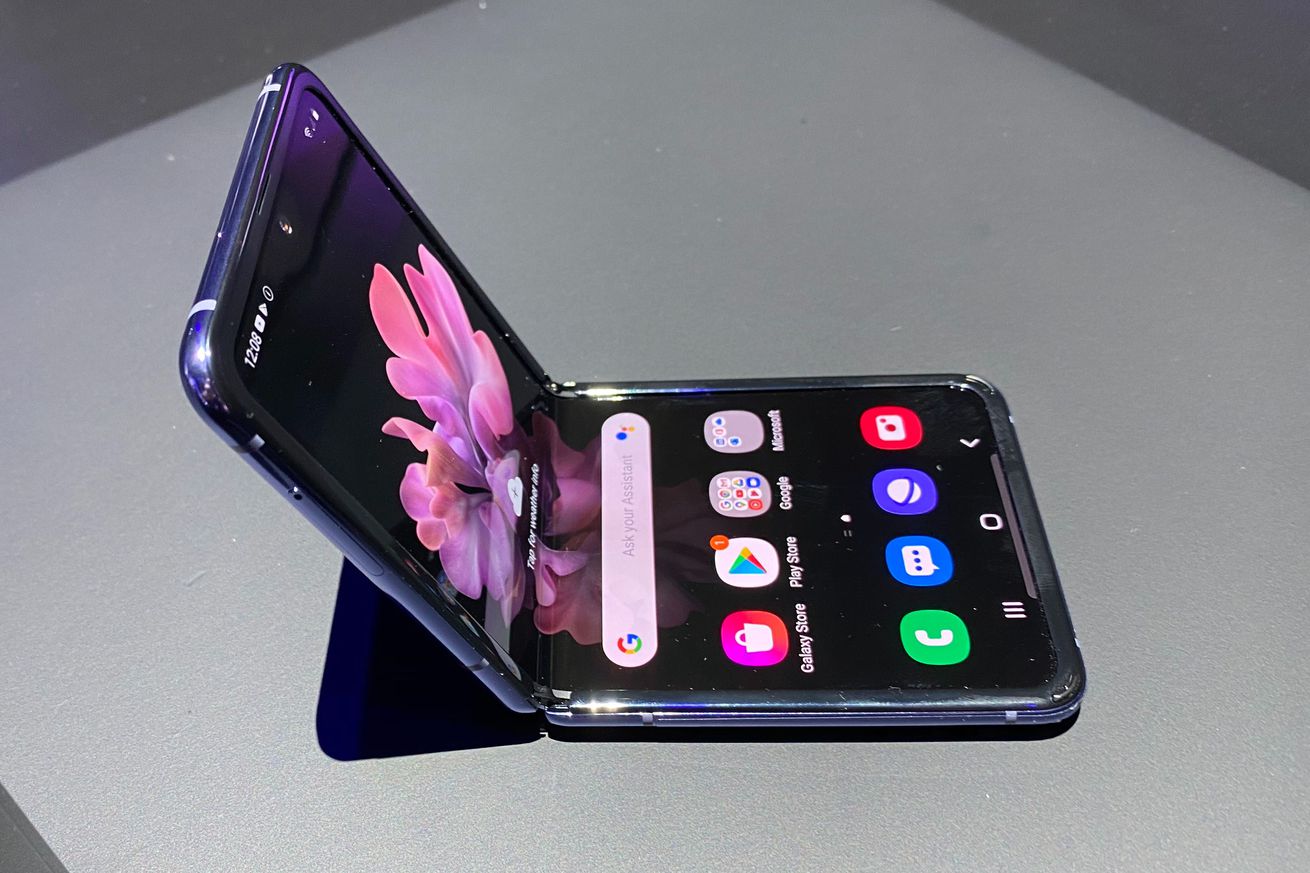
The Galaxy Z Flip’s split-screen mode isn’t just for Samsung foldables, says Google

Samsung’s new Galaxy Z Flip clamshell foldable has a cool new feature that can split the phone’s enormous vertical real estate into a top half and a bottom half, and Google tells The Verge that other phone makers will soon be able to build that feature into their phones, too.

The feature, which Samsung calls “Flex mode,” can split the phone’s display into two four-inch screens that can each show different types of content while you’re using an app. Samsung gives the example of watching a YouTube video on the top half of the screen while searching for other videos or reading comments on the bottom screen. My colleague Dieter Bohn also got to test the mode with a Google Duo video call, which showed a video chat on the top half of the...

Continue reading…


from The Verge - All Posts https://ift.tt/39oAUmD
via IFTTT

China launches app to identify 'close contact' with coronavirus - CNET

App is designed to let people know if they've been close to someone who has or may have the deadly illness.

from CNET https://ift.tt/3bpFwuB
via IFTTT