Friday, 17 January 2014

This Week On The TC Gadgets Podcast: Lockitron, Nintendo, Google’s Smart Contacts, And Nest

gadgets140117

It’s been a big week for smart things.


Coming off the heels of CES, this week we learned that Lockitron hasn’t been shipping the majority of their smart lock pre-orders, Nintendo hasn’t been selling many Wii Us, that Google has been building smart contact lenses and buying smart thermostat companies, and that our dear Chris Velazco is leaving us.


It may not be the happiest Gadgets Podcast you’ve ever heard, but at least it’s honest.


We discuss all this and more on this week’s episode of the TC Gadgets Podcast, featuring John Biggs, Matt Burns, Jordan Crook, and Darrell Etherington.


Enjoy!


We invite you to enjoy our weekly podcasts every Friday at 3 p.m. Eastern and noon Pacific. And feel free to check out the TechCrunch Gadgets Flipboard magazine right here.


Click here to download an MP3 of this show.

You can subscribe to the show via RSS.

Subscribe in iTunes


Intro Music by Rick Barr.


via TechCrunch » Startups http://ift.tt/1awW3ca

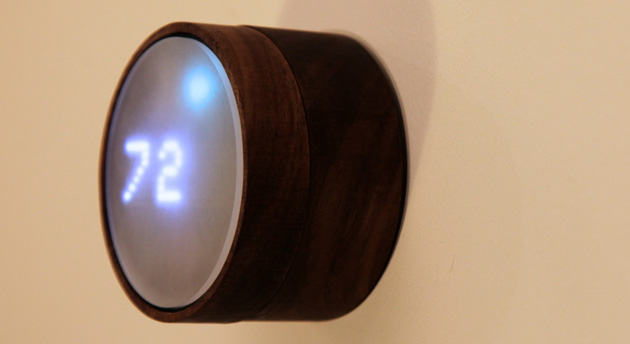
Spark shows how to build a Nest-like, open source thermostat


via Engadget RSS Feed http://feeds.engadget.com/~r/weblogsinc/engadget/~3/8SlLv3jaNiw/

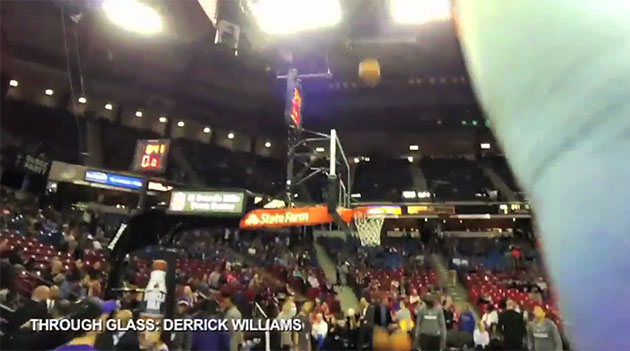
Sacramento Kings set to broadcast using Google Glass, accept Bitcoins


via Engadget RSS Feed http://feeds.engadget.com/~r/weblogsinc/engadget/~3/lk4emPZL11w/

Riide Is An Electric Bike For Cool Kids

riide

2014 may very well be the year of electric bikes. There were quite a few personal e-vehicles showing their stuff at CES, but one e-bike was missing.


Meet Riide, an electric bike built specifically for the young, hip commuter.


According to co-founder Jeff Stefanis, most e-bikes today are bulky and conspicuous, whereas the Riide looks like a super-slick, matte black bike. The controller and lithium ion battery are housed inside the frame of the bike, as opposed to sticking out behind the seat.


The Riide achieves a maximum speed of 20 mph and can last for 25 miles on a single charge, not to mention the Tesla-like regenerative charging that recycles braking energy back into the battery. Plus, you can always use the pedals.


It takes about 2 to 3 hours to charge.


I had the chance to ride the Riide around this week, and found that transitioning from pedaling to motor is super smooth and simple.


And that’s how it was intended.


Stefanis explained that one differentiator for the Riide is that it’s single speed. “A lot of e-bikes have a really tough learning curve because there are so many speeds and settings, so we chose to make the bike a single speed bike with a straightforward motor,” said Stefanis. “It’s natural.”


Another differentiator? Weight. Riide is about 40 percent lighter than most e-bikes, and actually weighs about the same as a Citi Bike in New York.


The Riide, which was assembled in the U.S., also comes with a phone mount to let you get directions to your destination.


The Riide costs $1,799 on Kickstarter.


via TechCrunch » Startups http://ift.tt/1kGCvJe

Ver pinturas clásicas animadas resulta entre inquietante y bastante alucinante


Beauty de Rino Stefano Tagliafierro en Vimeo.


Pinturas clásicas animadas mediante la técnica del Efecto 2.5D para animar fotografías —o cualquier otro tipo de imagen estática.


# Enlace Permanente


via Microsiervos http://ift.tt/1gUO5us

Dispositivos electrónicos en el avión en España, una semana después y sin novedades

Hoy se cumple una semana de la entrada en vigor de la normativa que permite a las aerolíneas españolas solicitar de la Agencia Estatal de Seguridad Aérea el permiso para autorizar el uso de dispositivos electrónicos a bordo de sus aviones en todas las fases del vuelo si así lo desean y siempre bajo la discreción del comandante en último caso.


Pero a diferencia de en los Estados Unidos, donde en menos de 24 horas después de la entrada en vigor de la normativa pertinente tanto Jet Blue como Delta habían recibido ya la autorización y dejaban a sus pasajeros usar móviles, tablets, lectores de libros electrónicos y similares en modo avión durante todas las fases del vuelo, en España todavía no hay novedades al respecto.


Puestos en contacto con las principales aerolíneas, esto es lo que nos han contado:


  • Tanto Air Europa como Iberia e Iberia Express han presentado la documentación pertinente en AESA y están pendientes de recibir respuesta.

  • Air Nostrum está realizando las pruebas pertinentes en los aviones de su flota, y en cuanto las terminen solicitarán también aplicar la nueva normativa.

  • Desde Vueling no han sabido decirnos ni que sí ni que no, aunque circula por ahí una noticia que afirma que esta aerolínea habría sido la primera en solicitar aplicar la nueva normativa.


Por comparar con algo más cercano que los Estados Unidos, en el Reino Unido British Airways comenzó a permitir el uso de dispositivos el pasado 18 de diciembre, apenas cinco días después de que la Civil Aviation Authority publicara la adopción de la nueva normativa en el país.


Hay que recordar también que cada aerolínea tiene que solicitar la aplicación de la nueva normativa al organismo correspondiente de su país, por lo que Ryanair, por ejemplo, tendrá que realizar los trámites pertinentes en Irlanda independientemente de que tenga bases de operaciones en España.


Seguiremos informando.


# Enlace Permanente


via Microsiervos http://ift.tt/1mfErGE

Para ser un barco de 10.000 toneladas esta forma de descargar la mercancia es bastante macarra


Así es como el Seaspan Harvester descarga en Canadá su carga de varios miles de toneladas de troncos: se inclina en un ángulo de 30 grados y simplemente la deja caer al agua. Se desconoce cómo se firma el recibo de entrega.


# Enlace Permanente


via Microsiervos http://www.microsiervos.com/archivo/mundoreal/barco-10000-toneladas-entregar-mercancia-a-lo-loco.html

Está cámara de formato medio es de código abierto y las puedes construir tú mismo

lux-01.jpg


Lux es una cámara de fotos que utiliza película 120, de formato medio. Su particularidad es que su diseño está disponible bajo la filosofía del código abierto, de modo que toda su construcción está documentada y detallada de tal modo que cualquier persona pueda reproducirla y construirla.


lux-03.jpg


En el modelo desarrollado por Kevin Kadooka el cuerpo de la cámara está construido mediante impresión 3D. A pesar de utilizar película química la Lux utiliza electrónica y mecanismos controlados con Arduino; también la electrónica y el software que lo controla están disponibles libremente.


Vía DIYPhotography.net


# Enlace Permanente


via Microsiervos http://ift.tt/1auL7IW